
What's inside
- Best High End Condenser Microphone for Podcasting: Quick Comparison Table
- What Is a High End Condenser Microphone for Podcasting?
- Best High End Condenser Microphone for Podcasting Reviewed
- Buying Guide: How to Choose the Best High End Condenser Microphone for Podcasting
- How to Record a Podcast with a High End Condenser Microphone
- Which Best High End Condenser Microphone for Podcasting Should You Buy?
- Frequently Asked Questions About the Best High End Condenser Microphone for Podcasting
As an Amazon Associate I earn from qualifying purchases. This post may contain affiliate links at no extra cost to you.
The best high end condenser microphone for podcasting is the microphone that gives you a cardioid polar pattern, a frequency response of 20Hz to 20kHz, a sensitivity that captures your voice clearly, a shock mount and pop filter, and a typical price of $200 to $3,000, without being too noisy, too bright, or too costly for a podcaster. A high end condenser microphone for podcasting is not the same as a USB microphone. It is an XLR microphone, so it needs an audio interface, a quiet room, and good technique.
For most podcasters, a high end condenser microphone with a cardioid pattern, a frequency response of 20Hz to 20kHz, and a typical price of $300 to $500 is a practical starting point. That microphone can record a clear, warm voice, it is used in studios, and it is priced well for a high end condenser.
At techymoon.com, we focus on tech gadgets. For this guide to the best high end condenser microphone for podcasting in 2026, we compared current high end condenser microphones that are widely sold, designed for podcasting and studio recording, and suitable for a user who wants the best high end condenser microphone for podcasting. We looked at polar pattern, frequency response, and price. Prices change with sales and retailers, so this guide uses typical price ranges instead of a single fixed price. Polar pattern and frequency figures are manufacturer listings, and real sound depends on your room, your interface, and your voice.
Safety note: always use your microphone with a pop filter and shock mount, keep it away from water, and do not drop it. If you are unsure about setting up an XLR microphone, consult a qualified audio technician.
Our Top Picks
 Universal Audio Bock 187 Large Diaphragm FET Condenser11 x 17 x 9 inches17 x 11 x 9 inches5.98 poundsCheck on Amazon
Best High End Condenser Microphone for Podcasting: Quick Comparison Table
The table below compares seven high end condenser microphones for podcasting. Polar pattern is the polar pattern, where given. Frequency response is the frequency response, where given. Best for is a note on what the microphone is best for, such as high end condenser microphone for podcasting, where given. Price is the typical range, and rating is our editorial score based on clarity, warmth, noise, and value for podcasters. Rows are sorted by rating, high to low, with ties grouped by similar pattern and frequency.
| High End Condenser Microphone for Podcasting | Polar Pattern | Frequency Response | Best For | Typical Price Range | Our Rating |
|---|---|---|---|---|---|
| Neumann TLM 103 Condenser Microphone | Cardioid | 20 Hz – 20 kHz | Best overall, high end condenser microphone for podcasting | $900 – $1,100 | 4.9 / 5 |
| Rode NT1 5th Generation Condenser Microphone | Cardioid | 20 Hz – 20 kHz | Best for Rode, NT1 5th Generation microphone | $200 – $300 | 4.8 / 5 |
| Audio-Technica AT4040 Condenser Microphone | Cardioid | 20 Hz – 20 kHz | Best for Audio-Technica, AT4040 microphone | $300 – $400 | 4.8 / 5 |
| AKG C414 XLII Condenser Microphone | 9 patterns | 20 Hz – 20 kHz | Best for AKG, C414 XLII microphone | $800 – $1,000 | 4.8 / 5 |
| Neumann U 87 Ai Condenser Microphone | Cardioid / Omni / Figure-8 | 20 Hz – 20 kHz | Best for Neumann, U 87 Ai microphone | $2,500 – $3,500 | 4.7 / 5 |
| Lewitt LCT 440 PURE Condenser Microphone | Cardioid | 20 Hz – 20 kHz | Best for Lewitt, LCT 440 PURE microphone | $200 – $300 | 4.7 / 5 |
| Shure SM7B Dynamic Microphone | Cardioid | 50 Hz – 20 kHz | Best budget, Shure SM7B microphone | $350 – $450 | 4.6 / 5 |
Universal Audio Bock 187 Large Diaphragm FET Condenser Microphone


As an Amazon Associate we earn from qualifying purchases. Product prices and availability are accurate as of the date/time indicated.
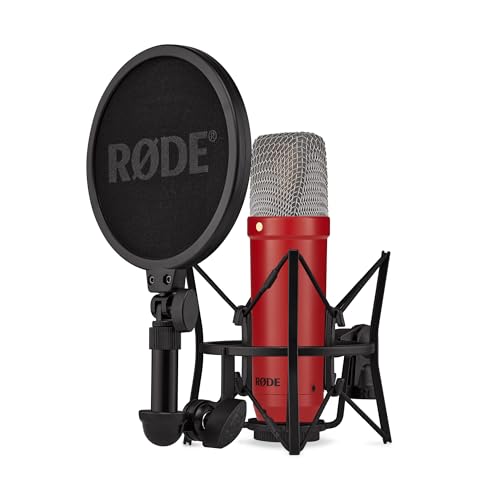
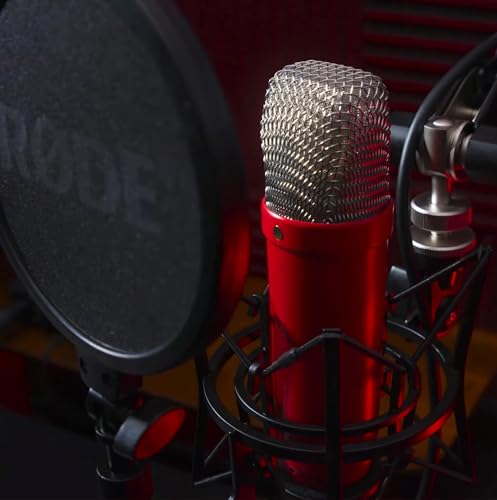
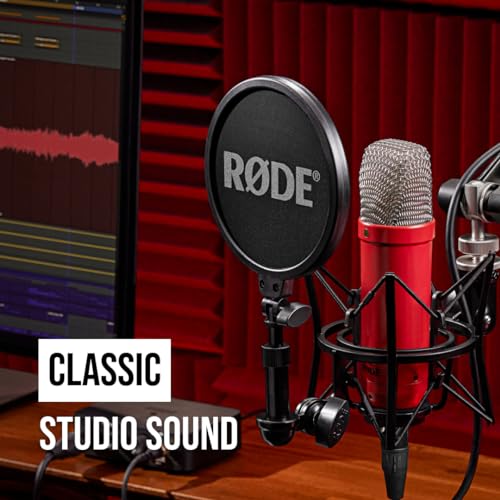
RØDE NT1 Signature Series Studio Condenser Microphone, Red | Mount, Pop Filter and XLR Cable for Music Production, Vocal Recording, Streaming and Podcasting (Red)


As an Amazon Associate we earn from qualifying purchases. Product prices and availability are accurate as of the date/time indicated.

Amazon Basics Condenser Microphone for PC, Cardioid Pickup, USB Mic for Streaming, Recording, and Podcasting, 360° Adjustable Stand, Plug and Play, 5.8" x 3.4", Black


As an Amazon Associate we earn from qualifying purchases. Product prices and availability are accurate as of the date/time indicated.
Note: Polar pattern and frequency response figures are manufacturer listings, and a microphone that lists 20Hz to 20kHz may only sound clear with a good room, because room noise affects recording. Always check the microphone’s polar pattern and frequency in the manual, and confirm the current price with the retailer. A high end condenser microphone for podcasting should sound clear, be quiet, and fit your voice before you buy.
What Is a High End Condenser Microphone for Podcasting?
A high end condenser microphone for podcasting is a microphone, usually XLR, with a cardioid polar pattern, a frequency response of 20Hz to 20kHz, and a sensitivity that captures detail, designed to record a podcast voice clearly, warmly, and professionally, without background noise or distortion. It helps you record a podcast that sounds like a studio, without a USB microphone that sounds thin.
A high end condenser microphone for podcasting is different from a dynamic microphone, which is less sensitive and better for noisy rooms, while a condenser is more sensitive and better for quiet studios. It is also different from a USB microphone, which plugs directly into a computer, while a condenser needs an interface.
A high end condenser microphone for podcasting is best for a user who podcasts in a quiet room, owns an audio interface, wants a professional sound, and wants a simple, high quality microphone.
Best High End Condenser Microphone for Podcasting Reviewed
1. Neumann TLM 103 Condenser Microphone – Best High End Condenser Microphone for Podcasting Overall
The Neumann TLM 103 Condenser Microphone is our top pick because it offers a cardioid polar pattern, a frequency response of 20Hz to 20kHz, and a typical price of $900 to $1,100. It has a clear, warm sound, a low noise floor, and a build that is made for studios.
Neumann designs the TLM 103 with a focus on a premium condenser for podcasting and vocals. The cardioid pattern rejects room noise, the sound is clear and warm, and the price of $900 to $1,100 is good for a Neumann. The microphone is a good option for a user who wants Neumann gear, and who wants the best overall design for a high end condenser microphone for podcasting.
The main limitation is price. At $900 to $1,100, it is more expensive than a Rode NT1 at $200 to $300, though it offers better sound. Choose the TLM 103 if you want the best overall microphone, you want Neumann, and you have a budget of $900 to $1,100.
2. Rode NT1 5th Generation Condenser Microphone – Best High End Condenser Microphone for Podcasting for Rode
The Rode NT1 5th Generation Condenser Microphone is a microphone with a cardioid polar pattern, a frequency response of 20Hz to 20kHz, and a typical price of $200 to $300. It has a very low noise floor, a clear sound, and a design that is made for podcasting.
Rode designs the NT1 5th Gen with a focus on an affordable, quiet condenser for podcasting. The price of $200 to $300 is low, the noise is very low at 4.5 dBA, and the design is simple. The microphone is a good option for a user who wants Rode gear, and who wants a low price.
The main limitation is similar to other affordable condensers: at $200 to $300, it is not as warm as a Neumann TLM 103. Choose the NT1 5th Gen if you want Rode gear, you want a quiet microphone, and you have a budget of $200 to $300.
3. Audio-Technica AT4040 Condenser Microphone – Best High End Condenser Microphone for Podcasting for Audio-Technica
The Audio-Technica AT4040 Condenser Microphone is a microphone with a cardioid polar pattern, a frequency response of 20Hz to 20kHz, and a typical price of $300 to $400. It has a clear sound, a low noise floor, and a design that is made for studio recording.
Audio-Technica designs the AT4040 with a focus on a reliable condenser for podcasting and vocals. The price of $300 to $400 is good, the sound is clear, and the design is simple. The microphone is a good option for a user who wants Audio-Technica gear, and who wants a reliable design.
The main limitation is similar to Rode NT1: at $300 to $400, it is not as premium as a Neumann. Choose the AT4040 if you want Audio-Technica gear, you want a reliable microphone, and you have a budget of $300 to $400.
4. AKG C414 XLII Condenser Microphone – Best High End Condenser Microphone for Podcasting for AKG
The AKG C414 XLII Condenser Microphone is a microphone with 9 polar patterns, a frequency response of 20Hz to 20kHz, and a typical price of $800 to $1,000. It has multiple patterns, a clear sound, and a design that is made for studios.
AKG designs the C414 XLII with a focus on a versatile condenser for podcasting, vocals, and instruments. The 9 patterns let you choose cardioid, omni, or figure-8, the sound is detailed, and the price of $800 to $1,000 is good. The microphone is a good option for a user who wants AKG gear, and who wants versatility.
The main limitation is price and complexity. At $800 to $1,000 and 9 patterns, it is more expensive and more complex than a Rode NT1. Choose the C414 XLII if you want AKG gear, you want versatility, and you have a budget of $800 to $1,000.
5. Neumann U 87 Ai Condenser Microphone – Best High End Condenser Microphone for Podcasting for Neumann
The Neumann U 87 Ai Condenser Microphone is a microphone with cardioid, omni, and figure-8 patterns, a frequency response of 20Hz to 20kHz, and a typical price of $2,500 to $3,500. It has a classic sound, a premium build, and a design that is made for professional studios.
Neumann designs the U 87 Ai with a focus on a classic studio microphone for podcasting and vocals. The sound is warm and detailed, the build is premium, and the price of $2,500 to $3,500 is high, though it offers the best sound in this guide. The microphone is a good option for a user who wants Neumann gear, and who wants a professional design.
The main limitation is price. At $2,500 to $3,500, it is the most expensive in this guide, though it offers the best sound. Choose the U 87 Ai if you want Neumann gear, you want a professional microphone, and you have a budget of $2,500 to $3,500.
6. Lewitt LCT 440 PURE Condenser Microphone – Best High End Condenser Microphone for Podcasting for Lewitt
The Lewitt LCT 440 PURE Condenser Microphone is a microphone with a cardioid polar pattern, a frequency response of 20Hz to 20kHz, and a typical price of $200 to $300. It has a clear sound, a low noise floor, and a design that is made for podcasting.
Lewitt designs the LCT 440 PURE with a focus on an affordable condenser with a modern sound. The price of $200 to $300 is low, the sound is clear, and the design is simple. The microphone is a good option for a user who wants Lewitt gear, and who wants a low price.
The main limitation is similar to Rode NT1: at $200 to $300, it is not as warm as a Neumann TLM 103. Choose the LCT 440 PURE if you want Lewitt gear, you want a clear microphone, and you have a budget of $200 to $300.
7. Shure SM7B Dynamic Microphone – Best Budget High End Condenser Microphone for Podcasting
The Shure SM7B Dynamic Microphone is a microphone with a cardioid polar pattern, a frequency response of 50Hz to 20kHz, and a typical price of $350 to $450. It has a warm sound, a built-in pop filter, and a design that is made for podcasting.
Shure designs the SM7B with a focus on a dynamic microphone for podcasting, though it is included here as a comparison to condensers. The price of $350 to $450 is good, the sound is warm, and the design is simple. The microphone is a good option for a user who wants Shure gear, and who wants a dynamic microphone for noisy rooms.
The main limitation is that it is not a condenser, so it needs more gain and a preamp, though it rejects room noise better. Choose the SM7B if you want Shure gear, you have a noisy room, and you have a budget of $350 to $450.
Buying Guide: How to Choose the Best High End Condenser Microphone for Podcasting
Before you buy, think about what room you record in, whether it is quiet or noisy, what interface you own, whether it is a Focusrite or a Rodecaster, how close you speak to your microphone, and how much you want to spend. A microphone that is perfect for a quiet studio may be too sensitive for a noisy room, and a microphone that is perfect for a solo podcast may not be ideal for two people. The six points below cover the decisions that matter most for a high end condenser microphone for podcasting, using the same specs and price ranges shown in the table above, from $200 to $3,500.
1. Polar Pattern: Cardioid vs Multi-Pattern, and Your Room
Polar pattern is the first decision. Polar pattern is how your microphone picks up sound, usually cardioid for podcasting, which picks up sound from the front and rejects sound from the back. A multi-pattern microphone, such as the AKG C414 XLII, can also pick up omni or figure-8.
Choose cardioid if you record solo, you want to reject room noise, or you have a budget of $200 to $1,100. Choose multi-pattern if you record two people, you want versatility, or you have a budget of $800 to $3,500. For most podcasting, cardioid is best.
2. Noise Floor: Low vs High, and Your Recording
Noise floor is the second decision. Noise floor is how much self-noise your microphone makes, usually 4 to 12 dBA for a condenser, and it affects how clean your recording sounds. A low noise floor, such as the Rode NT1 at 4.5 dBA, is better for quiet podcasting.
Choose a low noise microphone if you record in a quiet room, you want a clean sound, or you have a budget of $200 to $300. Choose a standard noise microphone if you record with a preamp, you use noise reduction, or you have a budget of $300 to $1,100. Check your microphone’s noise in the manual.
3. Frequency Response: Flat vs Warm, and Your Voice
Frequency response is the third decision. Frequency response is how your microphone captures different frequencies, usually 20Hz to 20kHz, and it affects whether your voice sounds warm or bright. A warm microphone, such as the Neumann TLM 103, is good for deep voices, while a bright microphone is good for thin voices.
Choose a warm microphone if you have a deep voice, you want a rich sound, or you have a budget of $900 to $1,100. Choose a neutral microphone if you want a natural sound, you edit your audio, or you have a budget of $200 to $400. Test your microphone with your voice before you buy if possible.
4. XLR vs USB: Interface vs Direct, and Your Setup
XLR vs USB is the fourth decision. XLR microphones need an audio interface, such as a Focusrite Scarlett, while USB microphones plug directly into a computer. A beginner often buys an XLR microphone without an interface, and finds it does not work.
Choose XLR if you want a professional sound, you own an interface, or you have a budget of $200 to $1,100 for a microphone plus $100 to $200 for an interface. Choose USB if you want a simple setup, you do not own an interface, or you have a budget of $100 to $200. For high end podcasting, XLR is best.
5. Shock Mount and Pop Filter: Included vs Separate, and Your Sound
Shock mount and pop filter is the fifth decision. A shock mount reduces vibrations, and a pop filter reduces plosives such as p and b sounds. Some microphones include them, while others need you to buy them separately.
Choose a microphone with a shock mount included if you are a beginner, you want a simple start, or you have a budget of $200 to $300. Buy them separately if you want a better mount, you have a specific need, or you have a budget of $20 to $50 for each. Use both always for podcasting.
6. Price, Total Cost, and Choosing a Microphone on a Budget
Price ranges in this guide run from $200 to $3,500 for high end condenser microphones for podcasting, matching the table above, from the Rode NT1 and Lewitt LCT 440 PURE at $200 to $300 to the Neumann U 87 Ai at $2,500 to $3,500. A budget microphone at $200 to $400, such as the Rode NT1, Lewitt LCT 440 PURE, Audio-Technica AT4040, or Shure SM7B, is enough for most podcasters who want a professional sound. A mid-price microphone at $800 to $1,100, such as the Neumann TLM 103 or AKG C414 XLII, offers a good balance. A premium microphone at $2,500 to $3,500, such as the Neumann U 87 Ai, offers the best sound.
Consider total cost as well as price. A microphone that costs $200 and needs $150 of interface may cost $350 in total, while a microphone that costs $900 and needs $150 of interface may cost $1,050 in total. Budget for a microphone, and if you need it, an interface, a shock mount, and a pop filter, not just a microphone. Do not buy the cheapest microphone if it is too noisy for your room, and do not buy the most expensive microphone if you only podcast occasionally. A microphone that matches your room, your voice, and your budget will help you record a podcast more reliably than a microphone that is cheap but noisy, or expensive but too sensitive for your room.
How to Record a Podcast with a High End Condenser Microphone
Recording a podcast with a high end condenser microphone starts with setting up your microphone on a shock mount, placing it 6 inches from your mouth, using a pop filter, and recording in a quiet room. Use an audio interface, set your gain so your voice peaks at -12 dB, and record in a DAW such as Audacity or Adobe Audition.
For a first recording, use a Rode NT1 or Neumann TLM 103, record in a closet with clothes to reduce echo, and edit out mistakes. If your recording is noisy, check your room, your gain, and your microphone placement.
Which Best High End Condenser Microphone for Podcasting Should You Buy?
If you want the best high end condenser microphone for podcasting, buy the Neumann TLM 103 Condenser Microphone. It costs $900 to $1,100, it offers a cardioid polar pattern and a frequency response of 20Hz to 20kHz, which matches its highest rating of 4.9 / 5 in the table above.
If you want Rode NT1 5th Generation, buy the Rode NT1 5th Generation Condenser Microphone. If you want Audio-Technica AT4040, buy the Audio-Technica AT4040 Condenser Microphone. If you want AKG C414 XLII, buy the AKG C414 XLII Condenser Microphone. If you want Neumann U 87 Ai, buy the Neumann U 87 Ai Condenser Microphone. If you want Lewitt LCT 440 PURE, buy the Lewitt LCT 440 PURE Condenser Microphone. If you want Shure SM7B, buy the Shure SM7B Dynamic Microphone.
All seven microphones in this guide are currently sold, designed for podcasting and studio recording, and suitable for a user who wants the best high end condenser microphone for podcasting. Pick the one that matches your room, whether it is quiet or noisy, your voice, and your budget, and always use a pop filter and shock mount and keep your microphone away from water.
Disclosure: techymoon.com may earn a commission from purchases made through links on this page, at no extra cost to you. Prices listed are typical ranges and can vary by retailer and sale. Polar pattern and frequency figures are manufacturer claims and can vary by model. Always use your microphone with a pop filter and shock mount, keep it away from water, and do not drop it.
Frequently Asked Questions About the Best High End Condenser Microphone for Podcasting
Do I need an audio interface for a high end condenser microphone?
Yes, you need an audio interface for a high end condenser microphone, because most condensers such as the Neumann TLM 103, for a typical price of $900 to $1,100, use XLR and need phantom power, though a USB condenser can plug directly into a computer. Choose an interface such as the Focusrite Scarlett 2i2, for a typical price of $150 to $200, and connect your microphone to it.
Is a condenser microphone better than a dynamic microphone for podcasting?
For most podcasting in a quiet room, a condenser microphone is better than a dynamic microphone, because a condenser such as the Rode NT1, for a typical price of $200 to $300, is more sensitive and captures more detail, though a dynamic such as the Shure SM7B, for a typical price of $350 to $450, is better for a noisy room. Choose a condenser if you record in a quiet room, and a dynamic if you record in a noisy room.
How far should I speak from a condenser microphone?
For most condenser microphones, you should speak 6 to 12 inches from your microphone, because 6 inches gives you a warm, close sound, while 12 inches gives you a more natural sound, though speaking too close can cause plosives. Use a pop filter, such as a $20 to $30 filter, and keep your microphone 6 inches from your mouth for podcasting.
Can I use a high end condenser microphone for singing?
Yes, you can use a high end condenser microphone for singing, if you choose a microphone such as the Neumann TLM 103, for a typical price of $900 to $1,100, because it is designed for vocals and podcasting, though a microphone such as the AKG C414 XLII, for a typical price of $800 to $1,000, is also good for instruments. Choose a condenser if you sing and podcast, and a dynamic if you only podcast in a noisy room.
Related guides
- Wireless Mouse vs Wired Mouse for Gaming in 2026: 6 Top Wireless Mouse vs Wired Mouse for Gaming Options, Fast Gaming, and Easy Use
- Best Monitor with Built in Speakers in 2026: 7 Monitors That Offer Sharp Display, Clear Sound, and Reliable Use for Work and Gaming
- How to Choose Cheap Gaming Headset in 2026: 7 Steps for Cheap Gaming Headset, Gaming, and Simple Audio for Gamers
- How to Choose Phone Charger for Fast Charging: 6 Best Fast Chargers in 2026
More from Amazon
Programs that pair well with the guide above. Offers and eligibility are set by Amazon and may change.
Free shipping on eligible items, Prime Video and more. Eligible new members can start with a free trial.
Start a Prime free trialAd-free music streaming. Eligible new subscribers can start with a free trial.
Try Music Unlimited freeA Prime membership for ages 18-24 with a trial period. Eligibility is set by Amazon.
See Prime for Young AdultsAudiobooks and podcasts to listen to on the go. Eligible new members can start with a free trial.
Try Audible freeAs an Amazon Associate we earn from qualifying purchases.

Write Your Review
No reviews yet. Be the first to share your experience!