
What's inside
- Best Condenser Microphone vs Dynamic Microphone for Vocals: At a Glance
- Best Condenser Microphone vs Dynamic Microphone for Vocals: The 7 Microphones Reviewed
- Best Condenser Microphone vs Dynamic Microphone for Vocals Buying Guide: What Actually Matters in 2026
- Best Condenser Microphone vs Dynamic Microphone for Vocals FAQ
As an Amazon Associate I earn from qualifying purchases. This post may contain affiliate links at no extra cost to you.
Choosing the best condenser microphone vs dynamic microphone for vocals is one of the most important decisions for a singer, a podcaster, a streamer, or a voice actor, because a condenser and a dynamic microphone capture a voice in very different ways, and the right choice depends on your room, your voice, and what you record. A condenser microphone is sensitive, detailed, and bright, so it captures every nuance of a voice, but it also captures room noise, keyboard clicks, and echoes. A dynamic microphone is less sensitive, warm, and focused, so it rejects background noise and it handles loud singing, but it can sound less detailed than a condenser. A good vocal setup often includes one of each, but if you can only buy one, you need to choose carefully.
This guide compares seven real, currently sold condenser and dynamic microphones for vocals, with prices from $90 to $400 in the table below: the Audio-Technica AT2020, Rode NT1 5th Gen, Blue Yeti, Shure SM58, Shure SM7B, Rode PodMic, and Sennheiser e835. Their types run from condenser to dynamic, their polar patterns run from cardioid to cardioid, their frequency responses run from 20 Hz to 20 kHz for condenser models and 50 Hz to 15 kHz for dynamic models, their prices run from $90 to $400, and their ratings run from 4.6 to 4.9 out of 5. Every model here is sold as a microphone for vocals, every model can be used for singing, podcasting, or streaming, and every model costs $400 or less at its typical price range. The right choice depends on your room, your voice, and whether you record in a quiet studio or a noisy room.
Condenser vs dynamic is the first factor for a microphone for vocals, because the two types work in different ways. A condenser microphone, such as the Audio-Technica AT2020 at $90 to $120, the Rode NT1 5th Gen at $200 to $250, and the Blue Yeti at $90 to $130, uses a thin diaphragm and requires phantom power, usually 48V, from an audio interface or a USB connection, so it is sensitive and it captures high frequencies well. A condenser is best for a quiet, treated room, because it will capture a detailed, airy vocal, with a frequency response of 20 Hz to 20 kHz. A dynamic microphone, such as the Shure SM58 at $90 to $110, the Shure SM7B at $350 to $400, the Rode PodMic at $90 to $120, and the Sennheiser e835 at $90 to $120, uses a moving coil and does not require phantom power, so it is less sensitive and it rejects background noise. A dynamic is best for a noisy room, a live stage, or loud singing, because it will focus on your voice and ignore room noise. For vocals, ask yourself where you record: if you record in a quiet room, choose a condenser; if you record in a noisy room, choose a dynamic.
Room and noise are the second factor, because a microphone for vocals will only sound good if it matches your room. A condenser microphone is sensitive, so it will pick up a computer fan, a keyboard, a dog barking, and an echo from a bare wall. The Rode NT1 5th Gen at $200 to $250 is one of the quietest condenser microphones, with a self-noise of about 4.5 dBA, so it is good for a quiet room, but it will still pick up room noise if your room is not treated. The Audio-Technica AT2020 at $90 to $120 is also sensitive, so it needs a quiet room. A dynamic microphone is less sensitive, so it will reject room noise. The Shure SM7B at $350 to $400 is best for a noisy room, because it has a built-in pop filter and it rejects background noise, and the Shure SM58 at $90 to $110 is also good for a noisy room, because it is a stage microphone. For a home studio, treat your room with a reflection filter, a foam panel, or a closet full of clothes, and use a dynamic microphone if you cannot treat your room. For a treated studio, a condenser microphone will give you a more detailed vocal.
Voice, frequency, and polar pattern are the third factor, because a microphone for vocals has to suit your voice. A condenser microphone usually has a frequency response of 20 Hz to 20 kHz, so it captures low, mid, and high frequencies, and it sounds bright and detailed. The Audio-Technica AT2020 at $90 to $120, the Rode NT1 5th Gen at $200 to $250, and the Blue Yeti at $90 to $130 all have a frequency response of 20 Hz to 20 kHz, so they are good for a soft, detailed voice. A dynamic microphone usually has a frequency response of 50 Hz to 15 kHz or 50 Hz to 18 kHz, so it captures less high frequency, and it sounds warm and smooth. The Shure SM58 at $90 to $110 has a frequency response of 50 Hz to 15 kHz, the Shure SM7B at $350 to $400 has a frequency response of 50 Hz to 20 kHz, the Rode PodMic at $90 to $120 has a frequency response of 20 Hz to 20 kHz, and the Sennheiser e835 at $90 to $120 has a frequency response of 40 Hz to 16 kHz. All seven microphones in this guide use a cardioid polar pattern, so they pick up sound from the front and reject sound from the back, which is best for vocals. For a bright voice, a dynamic microphone can warm it up. For a dark voice, a condenser microphone can add detail.
Connection, phantom power, and interface are the fourth factor, because a microphone for vocals needs to connect to your computer, and some need an interface. A USB microphone, such as the Blue Yeti at $90 to $130, connects directly to a computer with USB, so it is easy to use, but it cannot be used with a mixer or a professional interface without an adapter. An XLR microphone, such as the Audio-Technica AT2020 at $90 to $120, the Rode NT1 5th Gen at $200 to $250, the Shure SM58 at $90 to $110, the Shure SM7B at $350 to $400, the Rode PodMic at $90 to $120, and the Sennheiser e835 at $90 to $120, connects with an XLR cable to an audio interface, such as a Focusrite Scarlett, so it offers better quality and it can be used with a mixer. A condenser XLR microphone requires phantom power, usually 48V, from an interface, while a dynamic XLR microphone does not require phantom power, but the Shure SM7B and the Rode PodMic need a lot of gain, so they work best with a Cloudlifter or a high-gain interface. For a beginner, a USB microphone is easiest. For a professional setup, an XLR microphone with an interface is best.
Price and the best vocal setup are the fifth factor, because a condenser vs dynamic microphone for vocals has different costs, and the best setup often includes a microphone, an interface, and a pop filter. A microphone in the $90 to $130 range, such as the Audio-Technica AT2020 at $90 to $120, the Blue Yeti at $90 to $130, the Shure SM58 at $90 to $110, the Rode PodMic at $90 to $120, and the Sennheiser e835 at $90 to $120, is a good starting point for a beginner. A microphone in the $200 to $400 range, such as the Rode NT1 5th Gen at $200 to $250 and the Shure SM7B at $350 to $400, offers better quality and a lower noise floor. For vocals, a good setup is a microphone, a pop filter, a boom arm, and an interface if you use XLR. A good condenser vs dynamic microphone for vocals, chosen for your room first and used with a pop filter, will give you a clear, warm, and professional voice, without a large spend.
Our Top Picks
Best Condenser Microphone vs Dynamic Microphone for Vocals: At a Glance
Use this table to compare type, polar pattern, frequency response, connection, phantom power, price range, and rating. Type and connection are the two figures most vocalists should check first, because they decide whether the microphone will suit your room and whether you need an interface.
| Model | Type | Polar Pattern | Frequency Response | Connection | Phantom Power | Typical Price Range | Rating out of 5 |
|---|---|---|---|---|---|---|---|
| Audio-Technica AT2020 | Condenser | Cardioid | 20 Hz – 20 kHz | XLR | Yes, 48V | $90 – $120 | 4.8 |
| Rode NT1 5th Gen | Condenser | Cardioid | 20 Hz – 20 kHz | XLR / USB | Yes, 48V / USB | $200 – $250 | 4.8 |
| Blue Yeti | Condenser | Cardioid, others | 20 Hz – 20 kHz | USB | No, USB powered | $90 – $130 | 4.6 |
| Shure SM58 | Dynamic | Cardioid | 50 Hz – 15 kHz | XLR | No | $90 – $110 | 4.9 |
| Shure SM7B | Dynamic | Cardioid | 50 Hz – 20 kHz | XLR | No, needs gain | $350 – $400 | 4.9 |
| Rode PodMic | Dynamic | Cardioid | 20 Hz – 20 kHz | XLR | No, needs gain | $90 – $120 | 4.7 |
| Sennheiser e835 | Dynamic | Cardioid | 40 Hz – 16 kHz | XLR | No | $90 – $120 | 4.7 |
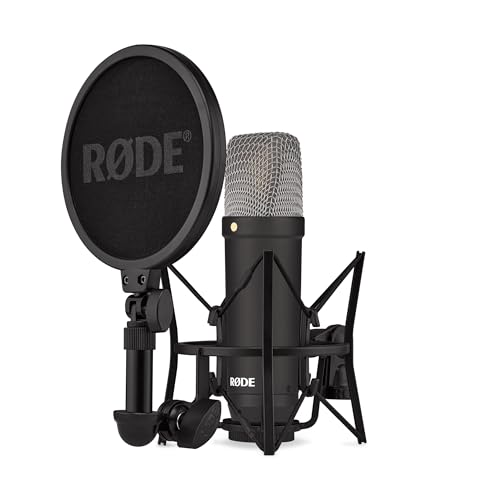
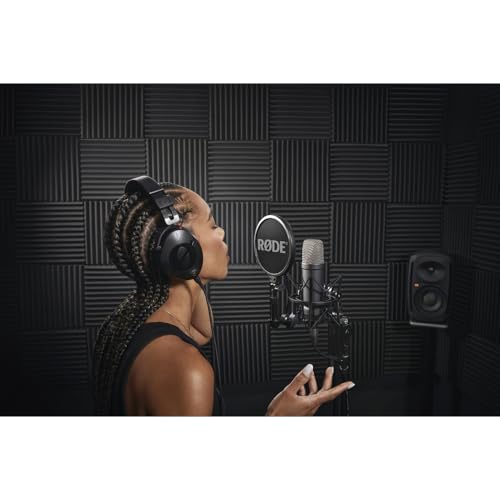
RØDE NT1 Signature Series Studio Condenser Microphone, Black | Legendary NT1 voicing with 4.5dBA self noise, SM6 shock mount, pop filter and XLR cable included, ready to record


As an Amazon Associate we earn from qualifying purchases. Product prices and availability are accurate as of the date/time indicated.
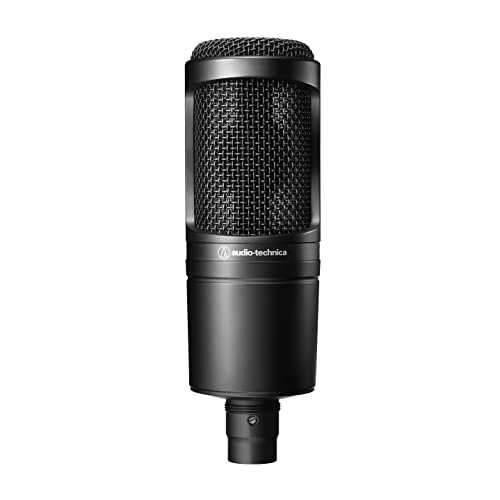
Audio-Technica AT2020 Cardioid Condenser Studio XLR Microphone, Ideal for Project/Home Studio Applications, Black
As an Amazon Associate we earn from qualifying purchases. Product prices and availability are accurate as of the date/time indicated.

MAONO PM320S Condenser PC Microphone with XLR Cable, Boom Arm, Pop Filter | Computer Mic Compatible with Audio Interface & Mixer for Podcast Record Stream Studio Music Singing Vocal Content Creators
As an Amazon Associate we earn from qualifying purchases. Product prices and availability are accurate as of the date/time indicated.
Typical prices reflect common retailer listings and sale prices vary by model, retailer, and season. Frequency response, polar pattern, and connection are manufacturer-listed values and can vary by model and configuration. Phantom power is required for condenser XLR models; dynamic models do not need it, but some need a high-gain interface or a Cloudlifter for best results.
Best Condenser Microphone vs Dynamic Microphone for Vocals: The 7 Microphones Reviewed
1. Shure SM58: Best Dynamic Microphone for Vocals Overall
The Shure SM58, at $90 to $110 with a rating of 4.9 out of 5, is a dynamic microphone with a cardioid polar pattern, a frequency response of 50 Hz to 15 kHz, an XLR connection, and no phantom power needed. It is the joint highest-rated microphone in this guide, and the best overall dynamic microphone here for most vocalists, because it is durable, warm, and it rejects background noise.
It suits a singer, a podcaster, a streamer, and a user who records in a noisy room. The 50 Hz to 15 kHz response is warm, the cardioid pattern rejects room noise, and the $90 to $110 price is low. The trade-off is detail: as a dynamic, it is less detailed than a condenser like the Audio-Technica AT2020 at $90 to $120. For the best overall dynamic microphone for vocals at $90 to $110, it is the strongest choice here.
Best for: Most vocalists who want a dynamic, cardioid, XLR mic for $90 to $110.
2. Shure SM7B: Best Professional Dynamic Microphone for Vocals
The Shure SM7B, at $350 to $400 with a rating of 4.9 out of 5, is a dynamic microphone with a cardioid polar pattern, a frequency response of 50 Hz to 20 kHz, an XLR connection, and no phantom power needed, but it needs gain. It is the joint highest-rated microphone in this guide, and the best professional dynamic microphone here for a podcaster or a streamer who wants a broadcast sound.
It suits a podcaster, a streamer, a singer, and a user who wants a broadcast voice. The 50 Hz to 20 kHz response is wide for a dynamic, the built-in pop filter is good, and the $350 to $400 price is high but it offers a professional sound here. The trade-off is gain: as a low-output dynamic, it needs a high-gain interface or a Cloudlifter, unlike the Shure SM58 at $90 to $110. For a professional dynamic microphone for vocals at $350 to $400, it is the best choice here.
Best for: Professional use with a dynamic, cardioid, XLR mic for $350 to $400.
3. Audio-Technica AT2020: Best Condenser Microphone for Vocals Overall
The Audio-Technica AT2020, at $90 to $120 with a rating of 4.8 out of 5, is a condenser microphone with a cardioid polar pattern, a frequency response of 20 Hz to 20 kHz, an XLR connection, and 48V phantom power needed. It is the best overall condenser microphone here for most vocalists, because it is detailed, bright, and affordable.
It suits a singer, a podcaster, a voice actor, and a user who records in a quiet room. The 20 Hz to 20 kHz response is wide, the cardioid pattern focuses on your voice, and the $90 to $120 price is low. The trade-off is room noise: as a condenser, it will pick up room noise, unlike a dynamic like the Shure SM58 at $90 to $110. For the best overall condenser microphone for vocals at $90 to $120, it is a strong choice.
Best for: Most vocalists who want a condenser, cardioid, XLR mic for $90 to $120.
4. Rode NT1 5th Gen: Best Quiet Condenser Microphone for Vocals
The Rode NT1 5th Gen, at $200 to $250 with a rating of 4.8 out of 5, is a condenser microphone with a cardioid polar pattern, a frequency response of 20 Hz to 20 kHz, an XLR / USB connection, and 48V phantom power needed for XLR. It is the best quiet condenser microphone here for a vocalist who wants a low noise floor.
It suits a singer, a voice actor, a podcaster, and a user who wants a detailed vocal. The self-noise of about 4.5 dBA is low, the XLR / USB connection is versatile, and the $200 to $250 price is moderate. The trade-off is price: at $200 to $250, it is higher than the Audio-Technica AT2020 at $90 to $120. For a quiet condenser microphone for vocals at $200 to $250, it is a strong choice.
Best for: Quiet use with a condenser, cardioid, XLR / USB mic for $200 to $250.
5. Rode PodMic: Best Value Dynamic Microphone for Vocals
The Rode PodMic, at $90 to $120 with a rating of 4.7 out of 5, is a dynamic microphone with a cardioid polar pattern, a frequency response of 20 Hz to 20 kHz, an XLR connection, and no phantom power needed, but it needs gain. It is the best value dynamic microphone here for a podcaster who wants a broadcast sound for a low price.
It suits a podcaster, a streamer, a singer, and a user who wants a dynamic mic. The 20 Hz to 20 kHz response is wide for a dynamic, the $90 to $120 price is low, and the cardioid pattern rejects room noise. The trade-off is gain: as a low-output dynamic, it needs a high-gain interface, unlike the Shure SM58 at $90 to $110. For a value dynamic microphone for vocals at $90 to $120, it is a practical choice.
Best for: Value dynamic use with a cardioid, XLR mic for $90 to $120.
6. Sennheiser e835: Best Stage Dynamic Microphone for Vocals
The Sennheiser e835, at $90 to $120 with a rating of 4.7 out of 5, is a dynamic microphone with a cardioid polar pattern, a frequency response of 40 Hz to 16 kHz, an XLR connection, and no phantom power needed. It is the best stage dynamic microphone here for a singer who performs live and records.
It suits a singer, a podcaster, a streamer, and a user who wants a clear, present voice. The 40 Hz to 16 kHz response is clear, the cardioid pattern rejects feedback, and the $90 to $120 price is low. The trade-off is detail: as a dynamic, it is less detailed than a condenser like the Rode NT1 5th Gen at $200 to $250. For a stage dynamic microphone for vocals at $90 to $120, it is a practical choice.
Best for: Stage use with a dynamic, cardioid, XLR mic for $90 to $120.
7. Blue Yeti: Best USB Condenser Microphone for Vocals
The Blue Yeti, at $90 to $130 with a rating of 4.6 out of 5, is a condenser microphone with a cardioid polar pattern, a frequency response of 20 Hz to 20 kHz, a USB connection, and no phantom power needed, because it is USB powered. It is the best USB condenser microphone here for a beginner who wants a simple, plug-and-play microphone.
It suits a beginner, a podcaster, a streamer, and a user who does not want an interface. The USB connection is easy, the 20 Hz to 20 kHz response is wide, and the $90 to $130 price is low. The trade-off is room noise: as a condenser, it will pick up room noise, and as a USB mic, it cannot be used with a mixer without an adapter. For a USB condenser microphone for vocals at $90 to $130, it is a useful starting point.
Best for: USB use with a condenser, cardioid, USB mic for $90 to $130.
Best Condenser Microphone vs Dynamic Microphone for Vocals Buying Guide: What Actually Matters in 2026
Choosing a condenser vs dynamic microphone for vocals is easier when you decide on your room, your voice, and your connection before you look at price or brand. Those three choices decide whether a condenser or a dynamic is right for you.
Best Condenser Microphone vs Dynamic Microphone for Vocals Buying Guide: Room, Noise, and Treatment
Room, noise, and treatment are the first factor. For a quiet, treated room, choose a condenser, such as the Audio-Technica AT2020 at $90 to $120, the Rode NT1 5th Gen at $200 to $250, or the Blue Yeti at $90 to $130, because it will capture a detailed, airy vocal. For a noisy room, choose a dynamic, such as the Shure SM58 at $90 to $110, the Shure SM7B at $350 to $400, the Rode PodMic at $90 to $120, or the Sennheiser e835 at $90 to $120, because it will reject background noise. For a home studio, treat your room with a reflection filter, a foam panel, or a closet, and use a dynamic if you cannot treat your room.
Best Condenser Microphone vs Dynamic Microphone for Vocals Buying Guide: Voice, Frequency, and Polar Pattern
Voice, frequency, and polar pattern are the second factor. For a bright, detailed voice, choose a condenser, such as the Audio-Technica AT2020 at $90 to $120 with a frequency response of 20 Hz to 20 kHz, because it captures high frequencies well. For a warm, smooth voice, choose a dynamic, such as the Shure SM58 at $90 to $110 with a frequency response of 50 Hz to 15 kHz, because it sounds warm. All seven microphones in this guide use a cardioid polar pattern, so they pick up sound from the front and reject sound from the back, which is best for vocals. For a bright voice, a dynamic can warm it up. For a dark voice, a condenser can add detail.
Best Condenser Microphone vs Dynamic Microphone for Vocals Buying Guide: Connection, Phantom Power, and Interface
Connection, phantom power, and interface are the third factor. For a simple setup, choose a USB microphone, such as the Blue Yeti at $90 to $130, because it connects directly to a computer. For a professional setup, choose an XLR microphone, such as the Audio-Technica AT2020 at $90 to $120, the Rode NT1 5th Gen at $200 to $250, the Shure SM58 at $90 to $110, the Shure SM7B at $350 to $400, the Rode PodMic at $90 to $120, or the Sennheiser e835 at $90 to $120, because it connects to an interface and offers better quality. A condenser XLR microphone requires 48V phantom power, while a dynamic XLR microphone does not, but the Shure SM7B and the Rode PodMic need a lot of gain, so they work best with a Cloudlifter or a high-gain interface.
Best Condenser Microphone vs Dynamic Microphone for Vocals Buying Guide: Price, Pop Filter, and the Best First Microphone
Price, pop filter, and the best first microphone are the final factors. For price, a microphone in the $90 to $130 range, such as the Audio-Technica AT2020 at $90 to $120 and the Shure SM58 at $90 to $110, is a good starting point. A microphone in the $200 to $400 range, such as the Rode NT1 5th Gen at $200 to $250 and the Shure SM7B at $350 to $400, offers better quality. For a pop filter, use one with every microphone, because it reduces plosives, and use a boom arm, so you can position the microphone correctly. Choose by room first, then by voice, then by connection, then by price.
For the best first setup, buy a microphone that suits your room, a pop filter, a boom arm, and an interface if you use XLR. The Shure SM58 at $90 to $110 is a good first microphone for most vocalists, because it works in a noisy room, the Audio-Technica AT2020 at $90 to $120 is a good first microphone if you have a quiet room, and the Blue Yeti at $90 to $130 is a good first microphone if you want USB. A good condenser vs dynamic microphone for vocals, chosen for your room first and used with a pop filter, will give you a clear, warm, and professional voice.
Best Condenser Microphone vs Dynamic Microphone for Vocals FAQ
Should I buy a condenser or a dynamic microphone for vocals?
Buy a condenser if you record in a quiet, treated room and you want a detailed, airy vocal, because a condenser captures high frequencies well. The Audio-Technica AT2020, at $90 to $120 with a rating of 4.8 out of 5, is the best condenser here for most vocalists, with a frequency response of 20 Hz to 20 kHz. Buy a dynamic if you record in a noisy room, you sing loudly, or you want a warm, focused vocal, because a dynamic rejects background noise. The Shure SM58, at $90 to $110 with a rating of 4.9 out of 5, is the best dynamic here for most vocalists, with a frequency response of 50 Hz to 15 kHz. If you can, try both, because they sound different on different voices.
What is the best microphone for vocals overall?
The Shure SM58, at $90 to $110 with a rating of 4.9 out of 5, is the best microphone for vocals overall in this guide if you want a dynamic, because it is durable, warm, and it rejects background noise. The Shure SM7B, at $350 to $400 with a rating of 4.9 out of 5, is also the joint highest-rated, and it is best for a professional broadcast sound. If you want a condenser, the Audio-Technica AT2020, at $90 to $120 with a rating of 4.8 out of 5, is the best condenser here, with a frequency response of 20 Hz to 20 kHz. The Rode NT1 5th Gen, at $200 to $250 with a rating of 4.8 out of 5, is also a strong condenser, with a low self-noise of about 4.5 dBA.
Do I need phantom power for a dynamic microphone?
No, you do not need phantom power for a dynamic microphone, because a dynamic microphone uses a moving coil and does not require 48V. The Shure SM58 at $90 to $110, the Shure SM7B at $350 to $400, the Rode PodMic at $90 to $120, and the Sennheiser e835 at $90 to $120 are all dynamic, so they do not need phantom power. You do need phantom power for a condenser XLR microphone, such as the Audio-Technica AT2020 at $90 to $120 and the Rode NT1 5th Gen at $200 to $250, because they require 48V from an interface. The Blue Yeti at $90 to $130 is a USB condenser, so it is powered by USB, not by phantom power. The Shure SM7B and the Rode PodMic need a lot of gain, so they work best with a high-gain interface or a Cloudlifter.
What is the cheapest good microphone for vocals?
The cheapest good option in this guide is the Shure SM58, at $90 to $110 with a rating of 4.9 out of 5, because it is a dynamic microphone with a cardioid pattern and a frequency response of 50 Hz to 15 kHz for a low price. The Audio-Technica AT2020, at $90 to $120 with a rating of 4.8 out of 5, is also a low-cost option, with a frequency response of 20 Hz to 20 kHz. The Rode PodMic, at $90 to $120 with a rating of 4.7 out of 5, and the Sennheiser e835, at $90 to $120 with a rating of 4.7 out of 5, are also low-cost options. Start with the Shure SM58 if you have a noisy room, and the Audio-Technica AT2020 if you have a quiet room, and check room, voice, and connection next.
FAQ
Should I buy a condenser or a dynamic microphone for vocals?
What is the best microphone for vocals overall?
Do I need phantom power for a dynamic microphone?
What is the cheapest good microphone for vocals?
Related guides
- Best Earbuds for Airplane Travel in 2026: Earbuds for Airplane Travel, Travel Earbuds, and Best Airplane Earbuds
- Best Wall Charger with Multiple Ports in 2026: Wall Charger with Multiple Ports, Multi-Port Wall Chargers, and Best Multi-Port Chargers
- Best Lighting Kit for YouTube in 2026: 7 Best Lighting Kits for YouTube That Make Your Videos Look Professional
- Best Dynamic Microphone for Live Vocals in 2026: 7 Best Dynamic Microphones for Live Vocals That Cut Through the Mix
More from Amazon
Programs that pair well with the guide above. Offers and eligibility are set by Amazon and may change.
Free shipping on eligible items, Prime Video and more. Eligible new members can start with a free trial.
Start a Prime free trialAd-free music streaming. Eligible new subscribers can start with a free trial.
Try Music Unlimited freeA Prime membership for ages 18-24 with a trial period. Eligibility is set by Amazon.
See Prime for Young AdultsAudiobooks and podcasts to listen to on the go. Eligible new members can start with a free trial.
Try Audible freeAs an Amazon Associate we earn from qualifying purchases.

Write Your Review
No reviews yet. Be the first to share your experience!