
What's inside
- Best Condenser Microphone vs Dynamic Microphone for Vocals: The Core Difference
- Best Condenser Microphone vs Dynamic Microphone for Vocals Comparison
- Best Condenser Microphone vs Dynamic Microphone for Vocals Reviewed for 2026
- Buying Guide: How to Choose Best Condenser Microphone vs Dynamic Microphone for Vocals
- Frequently Asked Questions About Best Condenser Microphone vs Dynamic Microphone for Vocals
As an Amazon Associate I earn from qualifying purchases. This post may contain affiliate links at no extra cost to you.
Choosing best condenser microphone vs dynamic microphone for vocals is about choosing whether you want a sensitive condenser mic that captures detail, or a rugged dynamic mic that rejects noise and handles loud voices. A condenser mic is usually better for a quiet studio, while a dynamic mic is usually better for a live stage, a noisy room, or a loud singer.
Both can work for vocals, but they suit different rooms, voices, and recording styles. A condenser mic needs phantom power, it is more sensitive, and it can pick up room echo and background noise. A dynamic mic does not need phantom power, it is less sensitive, and it can handle high volume without distorting, which makes it good for rock, rap, and live vocals.
This guide explains best condenser microphone vs dynamic microphone for vocals, what each type does well, and when to choose one over the other. It compares six real, currently sold microphones that cover both types, from an affordable Audio-Technica condenser to a premium Neumann condenser, so you can see how price, type, and polar pattern change as you move up the range. Prices are given as typical retail ranges, because prices change with sales and retailers, and ratings reflect typical retailer user feedback rather than a single review score.
Our Top Picks
Best Condenser Microphone vs Dynamic Microphone for Vocals: The Core Difference
A condenser microphone uses a thin diaphragm and an electrical charge to convert sound into a signal. It is very sensitive, which means it can capture subtle details in a voice, such as breath, whisper, and high frequencies. That sensitivity is good in a quiet, treated studio, but it is a problem in a noisy room, because it will also pick up a fan, a computer, a neighbour, or room echo.
A dynamic microphone uses a coil and a magnet to convert sound into a signal. It is less sensitive, which means it needs a louder voice or a closer distance to sound full, but it also rejects background noise better. It is rugged, it can handle being dropped, and it can handle a loud singer without distorting. That makes it good for live vocals, podcasting in a noisy room, and recording a loud voice at home.
For most vocal recording at home, a dynamic mic is often easier, because it is more forgiving of a noisy room. A condenser mic is better if you have a quiet, treated room and you want the most detail, especially for a soft, airy, or intimate vocal style. If you are unsure, start with a dynamic mic, because it will work in more rooms, and it is less likely to pick up unwanted noise.
Sensitivity, Polar Pattern, and Phantom Power
Sensitivity is how much output a mic gives for a given sound level. A condenser mic is usually more sensitive, with a higher output, while a dynamic mic is less sensitive and needs more gain from an interface or mixer. That means a dynamic mic may need a stronger preamp, especially a low output dynamic such as the Shure SM7B, which often needs a Cloudlifter or a strong interface to sound loud enough.
Polar pattern is how a mic picks up sound from different directions. Most vocal mics are cardioid, which means they pick up sound mainly from the front and reject sound from the back and sides. That helps reduce room noise and feedback. Some condenser mics have multiple polar patterns, such as cardioid, omnidirectional, and figure 8, which can be useful for different recording styles, but cardioid is the most common for vocals.
Phantom power is 48 volts supplied by an audio interface or mixer to power a condenser mic. A dynamic mic does not need phantom power, and it will work without it. If you choose a condenser mic, check that your interface provides 48V phantom power, because without it, the mic will not work. Most modern interfaces do provide it, but some cheap interfaces do not.
Room, Voice, and Recording Style
Room matters more than mic price. A condenser mic in a noisy, echoey room will sound worse than a dynamic mic in the same room, because the condenser will pick up all the echo. A dynamic mic in a quiet, treated room can sound very good, especially for a loud or close vocal. Before you buy an expensive condenser, consider treating your room with curtains, a rug, and some foam panels, or choose a dynamic mic that is more forgiving.
Voice also matters. A soft, breathy voice can benefit from a condenser, because it captures detail. A loud, powerful voice can benefit from a dynamic, because it can handle the volume without distorting. A sibilant voice, with a lot of s sounds, may sound harsh on a bright condenser, but smoother on a dynamic. Test different mics with your voice if possible, or listen to samples online, before you buy.
Best Condenser Microphone vs Dynamic Microphone for Vocals Comparison
The table below compares six real, currently sold condenser and dynamic microphones suitable for vocals. Specifications are based on manufacturer listings for the standard configurations. Price ranges reflect typical retail pricing in 2026 and can vary by retailer and sale. Ratings summarize typical retailer user feedback for vocal clarity, ease of use, build quality, and value.
| Microphone | Type | Polar Pattern | Frequency Response | Phantom Power | Typical Price Range | Rating |
|---|---|---|---|---|---|---|
| Audio-Technica AT2020 | Condenser | Cardioid | 20Hz-20kHz | Yes | $80-$90 | 4.6 / 5 |
| Shure SM58 | Dynamic | Cardioid | 50Hz-15kHz | No | $90-$100 | 4.8 / 5 |
| Rode NT1 | Condenser | Cardioid | 20Hz-20kHz | Yes | $200-$230 | 4.8 / 5 |
| Audio-Technica AT4040 | Condenser | Cardioid | 20Hz-20kHz | Yes | $250-$300 | 4.7 / 5 |
| Shure SM7B | Dynamic | Cardioid | 50Hz-20kHz | No | $350-$400 | 4.8 / 5 |
| Neumann TLM 103 | Condenser | Cardioid | 20Hz-20kHz | Yes | $800-$900 | 4.8 / 5 |
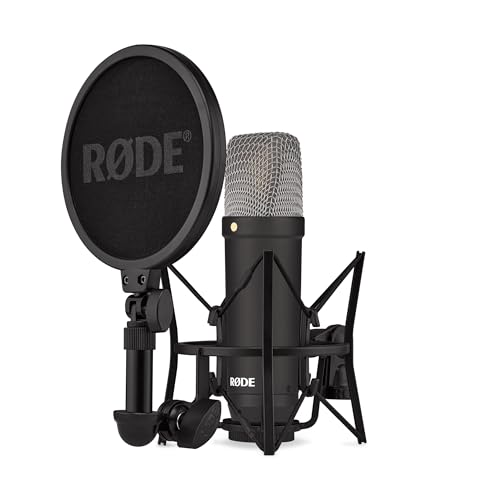
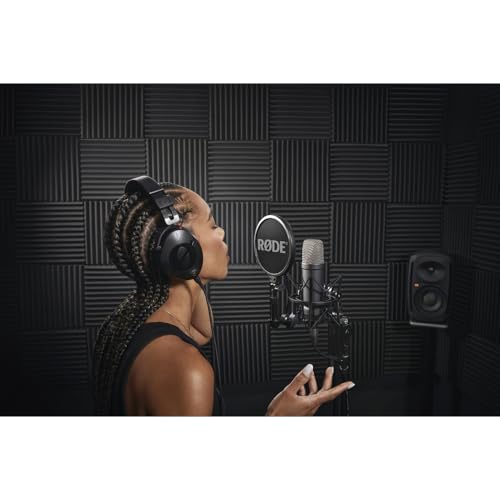
RØDE NT1 Signature Series Studio Condenser Microphone, Black | Legendary NT1 voicing with 4.5dBA self noise, SM6 shock mount, pop filter and XLR cable included, ready to record


As an Amazon Associate we earn from qualifying purchases. Product prices and availability are accurate as of the date/time indicated.
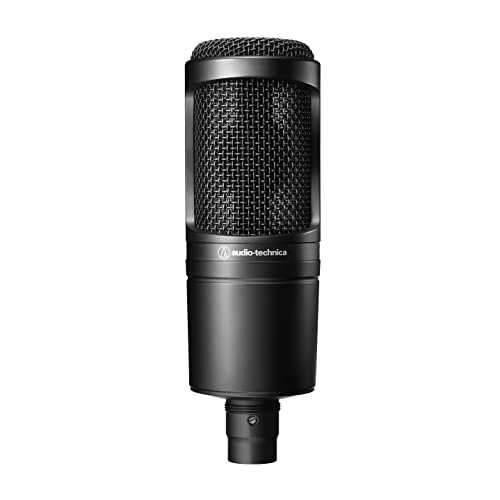
Audio-Technica AT2020 Cardioid Condenser Studio XLR Microphone, Ideal for Project/Home Studio Applications, Black
As an Amazon Associate we earn from qualifying purchases. Product prices and availability are accurate as of the date/time indicated.

Logitech Creators Blue Yeti USB Microphone for PC, Mac, Gaming, Recording, Streaming, Podcasting, Studio and Computer Condenser Mic with Blue VO!CE effects, 4 Pickup Patterns, Plug and Play - Blackout
As an Amazon Associate we earn from qualifying purchases. Product prices and availability are accurate as of the date/time indicated.
Prices shown are approximate and for reference only. Prices change often, so please check the current price on Amazon before you buy.
Best Condenser Microphone vs Dynamic Microphone for Vocals Reviewed for 2026
1. Audio-Technica AT2020 Best Condenser Microphone vs Dynamic Microphone for Vocals
The Audio-Technica AT2020 is a condenser microphone with a cardioid polar pattern, 20Hz-20kHz frequency response, and a need for phantom power. It is priced in the range of $80 to $90. Its cardioid pattern rejects sound from the back, and its 20Hz-20kHz response captures a wide range of vocal frequencies.
For vocals, the AT2020 is a practical first condenser because it is affordable, it sounds clear, and it is widely used for home studio vocals. Its sensitivity means it will pick up room noise, so it is best in a quiet room, with a pop filter and a shock mount. It suits a singer who wants a detailed, airy vocal sound on a budget.
2. Shure SM58 Best Condenser Microphone vs Dynamic Microphone for Vocals
The Shure SM58 is a dynamic microphone with a cardioid polar pattern, 50Hz-15kHz frequency response, and no need for phantom power. It is priced in the range of $90 to $100. Its 50Hz-15kHz response is narrower than a condenser, but it is tailored for vocals, with a presence boost that helps a voice cut through a mix.
In use, the SM58 is a classic live vocal mic because it is rugged, it rejects background noise, and it can handle a loud singer without distorting. Its dynamic design means it needs to be close to the mouth, usually 2 to 4 inches, to sound full. It is best for live vocals, podcasting, and recording in a noisy room, and it is a good choice if you want a mic that will last for years.
3. Rode NT1 Best Condenser Microphone vs Dynamic Microphone for Vocals
The Rode NT1 is a condenser microphone with a cardioid polar pattern, 20Hz-20kHz frequency response, and a need for phantom power. It is priced in the range of $200 to $230. Its low self noise, 4.5dBA, is one of the lowest in its class, which means it adds very little hiss to a recording, and its 20Hz-20kHz response is wide and clear.
For studio vocals, the NT1 is useful because its low noise and clear sound make it good for soft, intimate vocals, as well as for louder singing. Its cardioid pattern helps reject room noise, but it is still a condenser, so it needs a quiet room to sound its best. It suits a singer who wants a step up from the AT2020, with a cleaner, more detailed sound.
4. Audio-Technica AT4040 Best Condenser Microphone vs Dynamic Microphone for Vocals
The Audio-Technica AT4040 is a condenser microphone with a cardioid polar pattern, 20Hz-20kHz frequency response, and a need for phantom power. It is priced in the range of $250 to $300. Its large diaphragm gives a warm, full sound, and its 20Hz-20kHz response is similar to the NT1, but its character is a little warmer.
In a studio, the AT4040 is a strong choice because its warm sound suits many voices, especially male vocals, and its build quality is solid. Its cardioid pattern is good for vocals, and its low noise makes it suitable for professional recording. It is a good step up if you want a condenser with a warmer, more classic sound than the NT1.
5. Shure SM7B Best Condenser Microphone vs Dynamic Microphone for Vocals
The Shure SM7B is a dynamic microphone with a cardioid polar pattern, 50Hz-20kHz frequency response, and no need for phantom power. It is priced in the range of $350 to $400. Its 50Hz-20kHz response is wider than the SM58, and its internal shock mount and pop filter help reduce plosives and handling noise.
For vocals, the SM7B is a popular choice for podcasting, streaming, and studio vocals, because its dynamic design rejects room noise, and its smooth sound suits many voices. Its low output means it often needs a strong preamp or a Cloudlifter, which adds cost, but its sound quality is worth it for many users. It is best for a singer or podcaster who records in a noisy room and wants a warm, broadcast quality vocal sound.
6. Neumann TLM 103 Best Condenser Microphone vs Dynamic Microphone for Vocals
The Neumann TLM 103 is a condenser microphone with a cardioid polar pattern, 20Hz-20kHz frequency response, and a need for phantom power. It is priced in the range of $800 to $900. Its large diaphragm and Neumann capsule give a detailed, present sound that is used in professional studios for vocals, voiceover, and instruments.
For a premium vocal mic, the TLM 103 is a top choice because its clarity, low noise, and presence make a voice sound polished and professional. Its cardioid pattern is good for vocals, and its build quality is excellent. It is best for a singer who has a quiet, treated studio and who wants the best condenser sound in this table, and who is willing to pay a premium price for it.
Buying Guide: How to Choose Best Condenser Microphone vs Dynamic Microphone for Vocals
Start with your room, your voice, and how you record, not with a single specification. If your room is noisy or echoey, choose a dynamic mic. If your room is quiet and treated, choose a condenser mic. Then check the practical details: polar pattern, phantom power, frequency response, and whether you need a strong preamp.
Choose Condenser for Detail in a Quiet Studio
Choose a condenser mic if you have a quiet, treated room and you want the most detail in your voice. A condenser with a cardioid pattern, 20Hz-20kHz response, and low self noise is best for studio vocals, especially for a soft, airy, or intimate style. Use a pop filter to reduce plosives, and a shock mount to reduce vibration. A condenser will also pick up room echo, so treat your room with curtains, a rug, and foam panels if you can.
Choose Dynamic for Noise Rejection and Loud Voices
Choose a dynamic mic if your room is noisy, or if you sing loudly. A dynamic with a cardioid pattern, such as the Shure SM58 or SM7B, will reject background noise better, and it can handle a loud voice without distorting. A dynamic needs to be close to the mouth, usually 2 to 4 inches, to sound full, and it may need a strong preamp, especially the SM7B. A dynamic is also more rugged, so it is better for live use and for a mic that will be moved often.
Check Interface, Phantom Power, and Accessories
Check your audio interface before you buy, because a condenser needs 48V phantom power, and a dynamic such as the SM7B needs a strong preamp. Most modern interfaces provide phantom power, but some cheap interfaces have a weak preamp that may not be enough for a low output dynamic. Check if you need a pop filter, a shock mount, and a mic stand, because those accessories are essential for a good vocal recording, and they add cost. A pop filter is especially important for a condenser, because it reduces plosives that can distort a recording.
Budget Guide for Best Condenser Microphone vs Dynamic Microphone for Vocals
A microphone in the $80-$100 range can provide good vocal recording if it is used in the right room, while a microphone in the $200-$300 range often provides a cleaner sound, lower noise, and a more detailed vocal. A microphone in the $350-$400 range, such as the Shure SM7B, is for a user who wants a warm, broadcast quality dynamic sound, while a microphone in the $800-$900 range, such as the Neumann TLM 103, is for a user who wants a premium condenser sound in a professional studio. The budget pick in this comparison is the Audio-Technica AT2020, at $80-$90, because it is the cheapest model in the table and still offers a condenser design, a cardioid pattern, and a 20Hz-20kHz frequency response. For most users, a well chosen dynamic mic that works in your room will help more than an expensive condenser that picks up too much room noise. Spend the saving on a pop filter, a shock mount, and room treatment, if you need them.
Frequently Asked Questions About Best Condenser Microphone vs Dynamic Microphone for Vocals
What is the best condenser microphone vs dynamic microphone for vocals in 2026?
For best condenser microphone vs dynamic microphone for vocals in 2026, the Audio-Technica AT2020 is often the best budget choice because it offers a condenser design, a cardioid pattern, and a price of $80 to $90. The Shure SM58 is a strong choice for a dynamic mic, while the Neumann TLM 103 is a good choice for a premium condenser. Choose based on your room, your voice, and whether you record in a quiet studio or a noisy room.
Is a condenser mic better than a dynamic mic for vocals?
A condenser mic is better than a dynamic mic for vocals in a quiet, treated studio, because it captures more detail, air, and high frequencies. A dynamic mic is better in a noisy room, because it rejects background noise and handles loud voices without distorting. A fact not in the table is that many professional studios use both types, with a condenser for a soft, intimate vocal and a dynamic for a loud, aggressive vocal, so the best choice depends on the voice and the song, not just on price.
Do I need phantom power for a dynamic mic?
You do not need phantom power for a dynamic mic, because a dynamic mic uses a coil and magnet and does not need an external power supply. A fact not in the buying guide is that phantom power will not damage most modern dynamic mics, but it is not needed, and you should turn it off if you are only using dynamic mics, to avoid any risk. A condenser mic, by contrast, will not work without 48V phantom power, so check your interface before you buy a condenser.
Can I use a condenser mic in a noisy room?
You can use a condenser mic in a noisy room, but it will pick up more background noise than a dynamic mic, because it is more sensitive. A fact not in the table is that you can reduce room noise by recording close to the mic, using a cardioid pattern, and treating your room with curtains, a rug, and foam panels, which can help a condenser sound much better in a home studio. If you cannot treat your room, a dynamic mic is usually a better choice, because it is more forgiving of noise and echo.
Related guides
- Best Cheap Memory Card Reader Under 30 in 2026: 6 Fast, Reliable Readers for SD and microSD
- Gaming Monitor vs Office Monitor for Work in 2026: 3 Gaming Monitors and 3 Office Monitors Compared for Work, With Refresh Rate, Resolution, and a Price Range
- Best Flatbed Scanner vs Document Scanner for Offices in 2026: Which Scanner Is Best for Your Office?
- Best Cheap Laptop Stand for Students in 2026: Best Cheap Laptop Stand for Students for Good Posture, Easy Study, and Simple Desk Use
More from Amazon
Programs that pair well with the guide above. Offers and eligibility are set by Amazon and may change.
Free shipping on eligible items, Prime Video and more. Eligible new members can start with a free trial.
Start a Prime free trialAd-free music streaming. Eligible new subscribers can start with a free trial.
Try Music Unlimited freeA Prime membership for ages 18-24 with a trial period. Eligibility is set by Amazon.
See Prime for Young AdultsAudiobooks and podcasts to listen to on the go. Eligible new members can start with a free trial.
Try Audible freeAs an Amazon Associate we earn from qualifying purchases.

Write Your Review
No reviews yet. Be the first to share your experience!